

Become investor ready?

The annual Startup Festival took place on September 14 at The Social Hub Groningen. The festival celebrated its second edition and brought together students, startups, entrepreneurs, investors and interested parties from the ecosystem to share knowledge and inspiration on startup funding, entrepreneurship challenges and routes to a successful startup. The festival was organized by NOM, the Investment Fund Groningen, Cottonwood Technology Fund, Founded in Groningen & Founded in Friesland and the province of Drenthe.
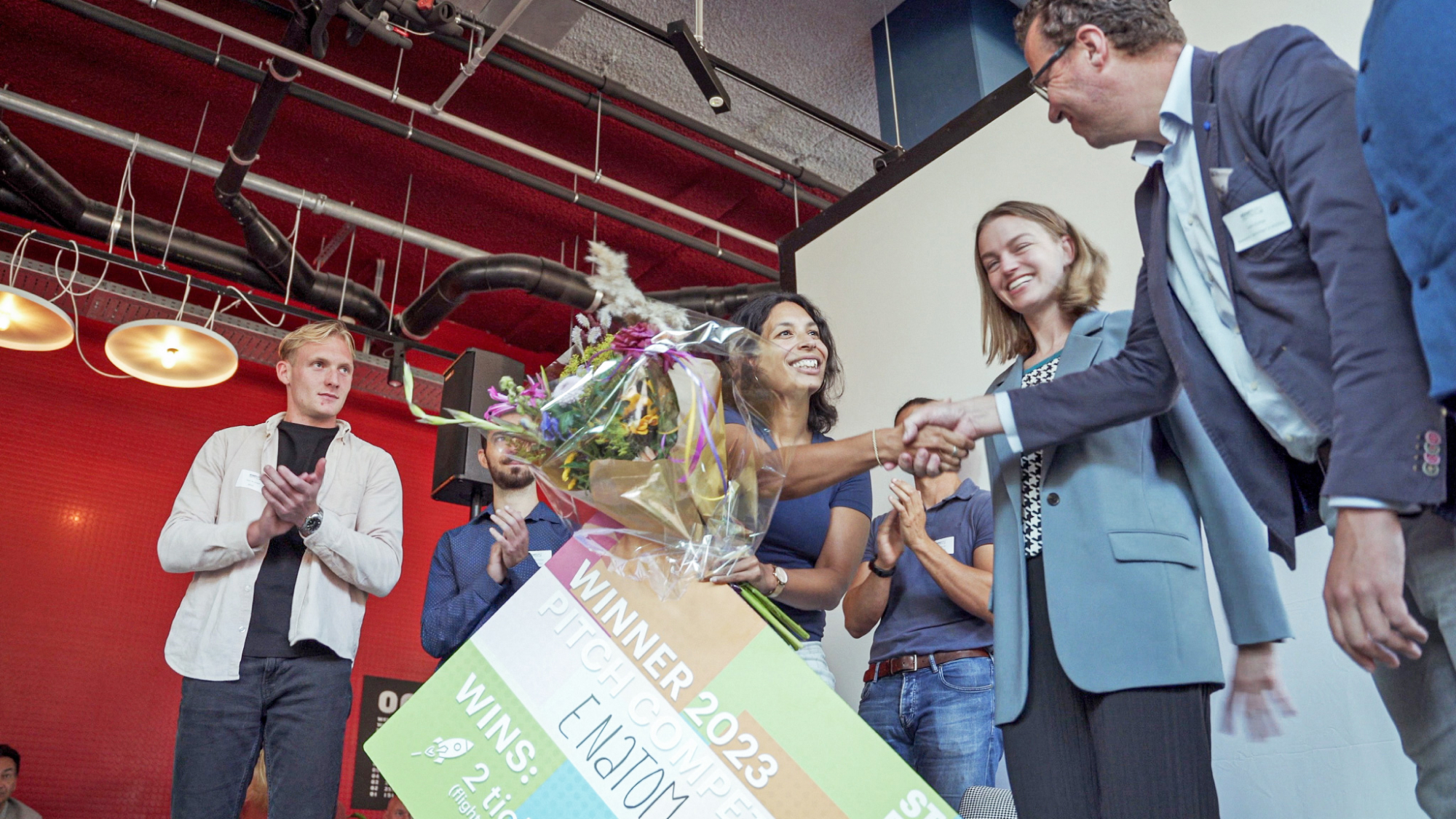
The event offered a packed program of workshops, inspiring speakers and experts, including Alain le Loux of Cottonwood and Wendy van Ierschot of VIE People, who shared valuable insights on entrepreneurship. During the panel discussion, participants could learn from seasoned entrepreneurs as well as from Jobbeke de Jong of Tachles. In addition, a pitch competition took place during the festival, where four startups presented their companies to a jury and the audience. In the end, Enatom was declared the winner and won two tickets to Slush in Helsinki, a prominent startup and investor conference. The event provided ample space for networking and collaboration, allowing entrepreneurs to find opportunities to meet investors or co-founders.
You start a company, hit the right chord and start growing impetuously. You were a founder of a startup and did everything yourself, but increasingly develop into a CEO who has to attract people and form teams. That's a different role that requires you to watch out for pitfalls and look for opportunities. Wendy van Ierschot (VIE People) and Jobbeke de Jong (Tachles) each have a very unique perspective on those challenges. They literally wrote books full of them. They also talked about it in Groningen during the Startup Festival.
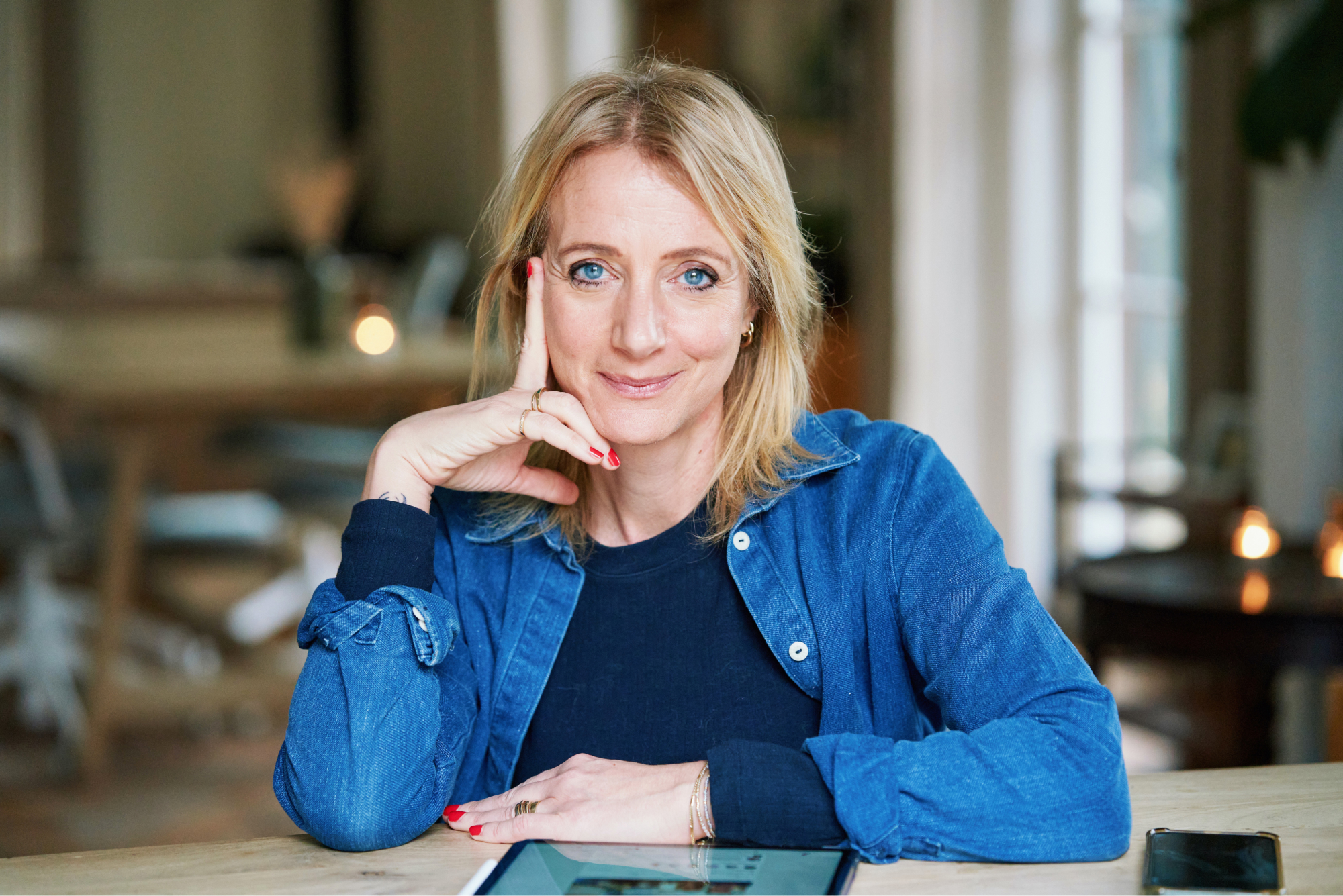
How do you make sure your startup grows nicely into a scale-up and then beyond? There is a lot involved, starting with forming the right team. Wendy van Ierschot has seen the inside of hundreds of young companies and knows what it takes to become and stay successful.
The founder of a startup is not necessarily the best leader when the company grows larger. In a later phase, managing a company requires a different set of skills than in the startup phase. You have to work on a team, for example, on your service or product, on sales and marketing, on your own corporate culture, on maintaining contacts with your good customers and suppliers. And more.
'You can't do that on your own, of course. At some point you have to hand over responsibility and control,' Wendy van Ierschot says. She founded VIE People, which helps scale-ups grow. 'We don't just help with HR issues. We take a close look at culture, and leadership. Those three are closely related and you can't separate them. We work on all of them.'
Scale-ups & downs
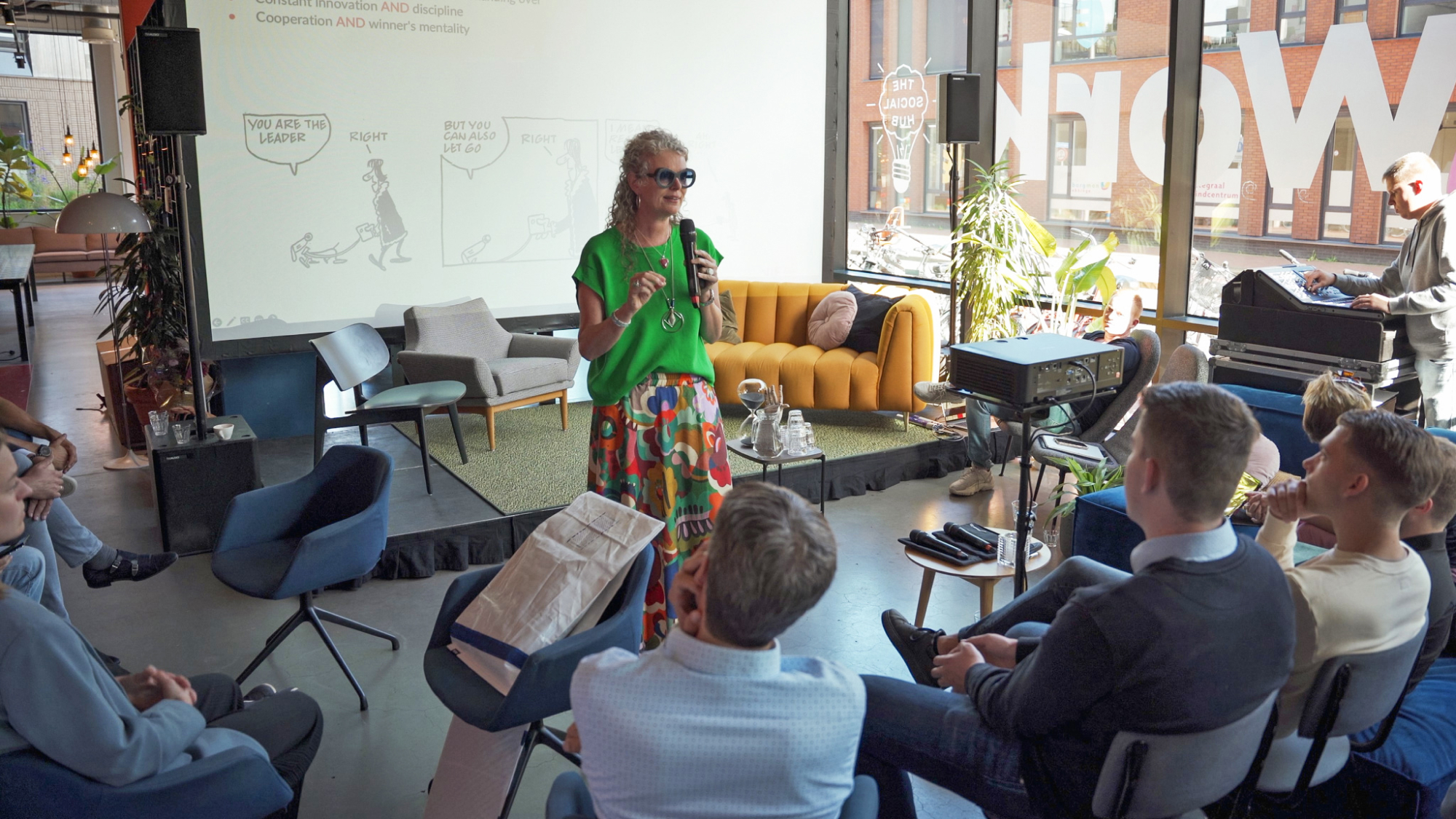
Based on experiences in recent years, she wrote the book Scale-ups & downs. That is a guide describing the different phases of a scale-up and the challenges and solutions that come with them. Last month she gave a lecture about it at the Startup Festival in Groningen.
'The tricky thing is that in the beginning of a startup, it's really about you as the founder. You have to be enthusiastic, pulling the cart. You know exactly what you want and how. But then comes the time when you start hiring someone. Who, by definition, is worse than you at first. Can't be any different, because your first employee doesn't do things exactly the way you do, in the way that works for you, and still has to learn. So you have to see through that. This is very important: you should not strive to become successful yourself. You should not have yourself walking around like a king. You should strive to make your company successful. It's about hiring someone who will help your business move forward. Even in the longer term.
That goes wrong quite often. 'Founders often think: I need a sales riser, or someone to improve my production process. Something like that. That is good, but not the only thing you need. Above all, you need to hire people who have the potential to lead a department later, who can grow. Because if your company is going to get bigger soon, you'll have to hand over more and more of your own tasks. And you prefer to do that to people you've employed for some time and who know your business. You have to have people who can grow with you.'
Growth mindset
Wendy van Ierschot mentions scale-up skills in her book. "If you're going to grow as a company - and also as an entrepreneur, for that matter, don't forget that! - you are looking for a certain type of employee. You then need people with a growth mindset. These are people who want to learn, even from their mistakes. People who believe that you can get better by practicing a lot. You can teach yourself such a mindset, but especially at the beginning of your growth curve, it is nice to have employees who naturally have a growth mindset. They can teach it to other people.
'In addition, you look for types who can start on their own, people who don't need too many frameworks and guidance to be able to move forward, people who want to move forward themselves. And then it is essential to have enough members in your team who are positive and resilient. Together you want to grow, that's what it's all about.'
The founder of VIE People wrote her book because she felt she needed to capture what she and her team encounter at all those hundreds of companies. 'And also to show what's involved. When you see it that way, it all seems logical. And yet many entrepreneurs don't do it. By the way, I have included a nice list of excuses in the book. All excuses why, for example, entrepreneurs do not intervene when employees perform poorly.'
Wendy divides the 'journey' of a scale-up into phases. 'That's kind of new, indicating per phase of growth how you develop leadership and what the HR priorities are. I thought about that for a long time. The journey is quite crazy, after all. You start as founder with a good idea and later you suddenly have to listen to all kinds of ideas that your own people bring to you. And maybe you have to conclude that you have to take on a different role for the sake of your company. Because quite honestly: most founders at some point are no longer the best CEO for the company.'
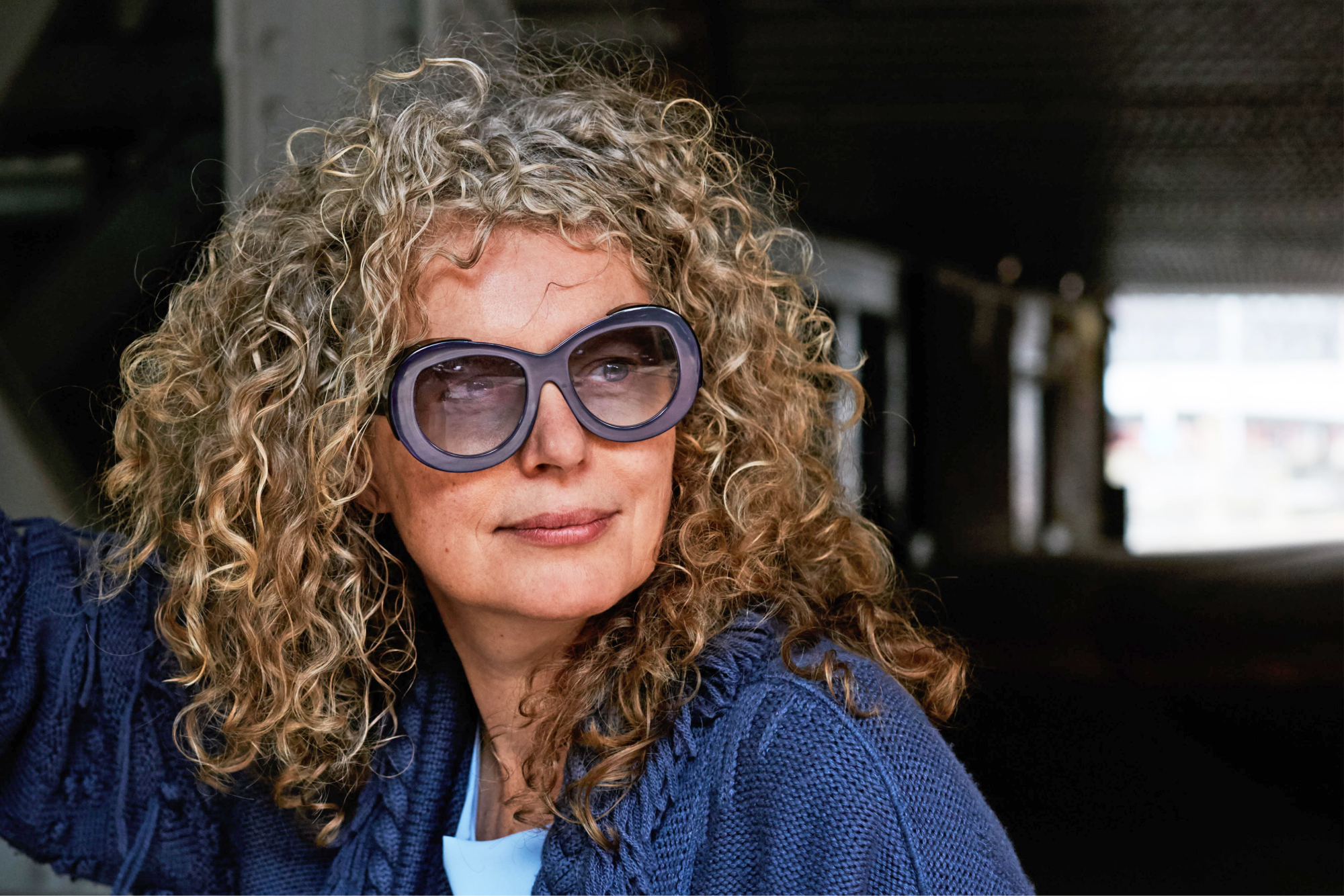
A team can be more than the sum of its parts. Systems thinking helps startups and scale-ups - like other organizations - reach the next level. It requires a different perspective, a way of thinking that goes against primary nature. But then you have something. Jobbeke de Jong knows how to get there.
Teams can be thought of as living organisms. The behavior of the individuals moving within them is influenced in and by that organism. Working well together leads to success. That may sound obvious, but in practice it is little considered, says Jobbeke de Jong. She founded Tachles, which, among other things, helps companies by implementing systems thinking.
'Better collaboration is what they want in every organization. But what usually happens is that development programs focus on individuals. Like: you have to develop this and that and he has to develop this and that. That can be useful, but it is better to focus on the group. They have to function better. And that is what you can learn from systems thinking.
Team-level interventions thus lead to sustainable returns. Goals are achieved sooner, the team develops toward autonomy. 'That goal is important. We call that the upper stream. You have to be crystal clear where you want to go. In super-concrete language, you have to establish where you want to get to as a group and what results are. This is essential because you can then put all your actions next to that goal. Will this help us get there? And: what do we need to do as a group to reach our goal?'
Collaborate
This part is typically something that often goes wrong, Jobbeke de Jong experienced in all the years she has been helping companies move forward. 'A goal like "optimize the customer experience" is nice, but that's not going to help you. It's too vague. What you then get is that people don't see where the responsibilities lie and work as individuals. Whereas you want to move the team forward, promote cooperation.'
Many people recognize this: in an MT meeting, managers are primarily concerned with accountability for their own department. That's what they feel responsible for. 'Logical, but not where you need to go. In an MT you have a different role as a manager. There you have to work together with the other members of the MT to achieve a common goal that moves the company forward as a whole. If you can and understand that, then you look at your own team differently and are much more focused on the future of the organization.
That's the upper current: clarity. You also have an undercurrent. That which lives under the skin of teams. Are the goals not concrete enough? Then you get grumbling. That's that undercurrent. You have to have both in order. And you can do that with systems thinking. Everyone tends to adjust individual employees. But you have to listen and consider what everyone is contributing to the group. And then that grumpy complainer can suddenly have very useful ideas. You have to remember: if the group develops the system, then all the members of the group develop.
Frameworks
To work well together, for a team to flourish, for the system to grow, an open atmosphere is needed. Space for reflection is important, freedom to speak, safety. 'We often look for that in the undercurrent. A hotline, a chat with a good colleague, that sort of thing. But it starts with a clear delineation of what the group can and may do, what the group is striving for. That's how you create the safe environment needed for your people to flourish and move the system forward.'
Frameworks are essential; making clear what you are not doing in the organization is just as important. This keeps the group focused and prevents you from trying everything and putting all kinds of energy into things that don't matter. That has to be crystal clear. If that succeeds, you have a very big impact. The group, your team, your organization works together focused on the same goal. As a result, you achieve that goal much faster, but you also see that the dynamics in the group improve greatly. People have fun together, gain more self-confidence and make almost nothing personal. Blaming someone else for something doesn't fit into system thinking.'
Startups are not directly engaged in this. As it moves toward scale-up, that should change. 'As a founder, you will have to distance yourself more at some point. You can't do everything by yourself anymore. Your team needs to grow toward autonomy and productive collaboration. And you as founder have to make it very clear what the goal is and what people have to come to you for. Then you put systems thinking into action. Your team grows and you have room to do what is in the best interest of your company.
We use cookies to improve your website experience, analyze traffic and display relevant ads to third parties. Learn more and adjust your preferences in the settings. If you agree, click "Accept All."